Low Water Pressure?
Your Heat Exchanger Could Be the Hidden Cause
Low water pressure is one of the most frustrating issues in any commercial or industrial system. It can impact performance, reduce efficiency, and put extra strain on your equipment.
While pumps, valves, and piping are often the first things to check, the real cause is sometimes less obvious—your heat exchanger.
How Low Water Pressure Shows Up in Your System
Water pressure issues don’t always present as a complete loss of pressure. In many cases, they show up as:
- Reduced flow at end points
- Inconsistent heating or cooling
- Longer system recovery times
- Pumps working harder than normal
- Increased energy consumption
If these problems sound familiar, it’s worth taking a closer look at your heat exchanger.
The Hidden Role of Heat Exchangers
Heat exchangers are designed to transfer heat efficiently between fluids—but they also introduce resistance to flow, known as pressure drop.
Under normal conditions, this pressure drop is minimal and accounted for in system design. However, when a heat exchanger becomes inefficient, it can significantly restrict flow.
While heat exchangers don’t generate pressure, they can reduce it when performance declines.
What Causes a Heat Exchanger to Restrict Flow?
Over time, several factors can increase pressure drop and reduce system performance:
- Fouling and Scaling – Buildup inside the plates or tubes restricts fluid movement and reduces efficiency.
- Aging Equipment – Older designs are often less efficient and more prone to performance issues.
- Improper Sizing – An undersized unit can create excessive resistance as system demand increases.
- Poor Maintenance – Without regular cleaning or inspection, even a well-designed exchanger can become a bottleneck.
Why This Matters for Your System
When your heat exchanger restricts flow, the impact goes beyond just pressure:
- Pumps must work harder to compensate
- Energy costs increase
- System efficiency drops
- Equipment wear accelerates
Over time, this can lead to higher operating costs and unexpected downtime.
How Modern Heat Exchangers Improve Performance
Upgrading to a modern heat exchanger can significantly improve system performance by reducing unnecessary resistance and improving efficiency.
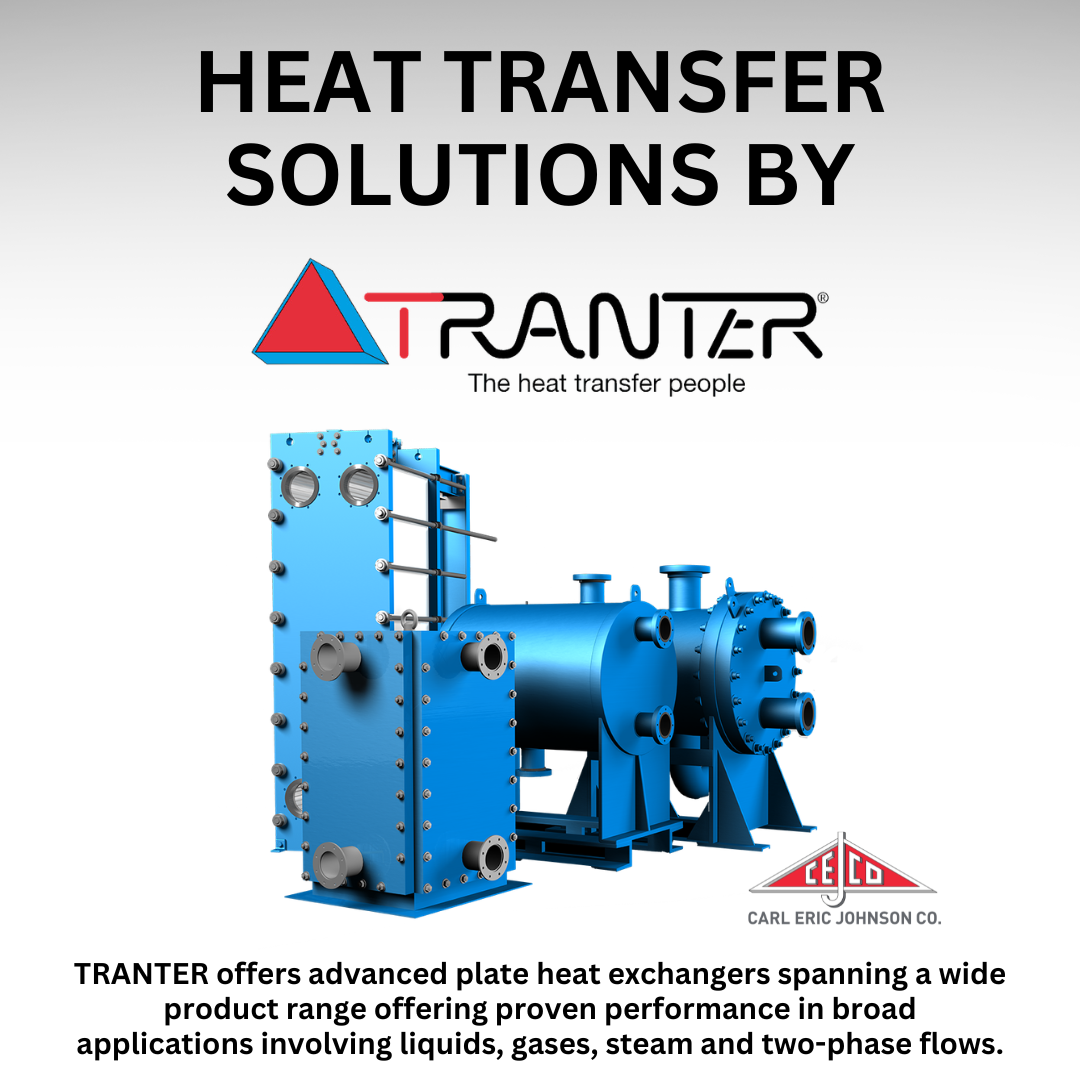
Plate and frame heat exchangers, like those from Tranter, are specifically engineered to optimize flow while maintaining high thermal performance. Their design promotes better fluid distribution, reduces buildup, and allows for easier maintenance compared to traditional equipment.
Because of this, systems can operate more efficiently with less strain on pumps and other components.
Key Benefits of Tranter Heat Exchangers
Optimized Flow Design
Engineered channels allow fluid to move efficiently, reducing unnecessary resistance.
High Thermal Efficiency
Improved heat transfer means better performance with less energy.
Compact Footprint
Ideal for system upgrades where space is limited.
Serviceability
Easy to open and clean, helping restore performance quickly.
Signs Your Heat Exchanger May Be the Issue
If your system is struggling, there are a few consistent indicators that point toward the heat exchanger. Increased energy usage, uneven heating or cooling, and more frequent maintenance are all common signs. In many cases, performance gradually declines rather than failing all at once.
This gradual change is what makes heat exchanger issues easy to overlook.
Repair or Replace?
In some cases, cleaning your existing heat exchanger can improve performance. However, if your unit is older or outdated, frequently fouling, or undersized for your system…it may be time to consider an upgrade.
A modern, properly sized heat exchanger can help restore system balance and improve overall efficiency.
Work with CEJCO to Find the Right Solution
At CEJCO, we help facilities identify performance issues and recommend the right heat transfer solutions for long-term reliability.
If you’re dealing with low water pressure or suspect your heat exchanger may be the cause, our team can evaluate your system and guide you toward the best solution.